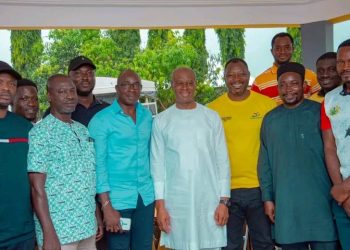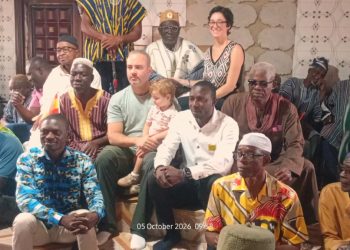
The Member of Parliament for Bole -Bamboi Constituency in the Savannah Region, Yusif Sulemana, has intensified efforts to improve telecommunication access in rural communities within the constituency.
The initiative forms part of measures aimed at enhancing connectivity and improving the living conditions of residents in underserved areas.
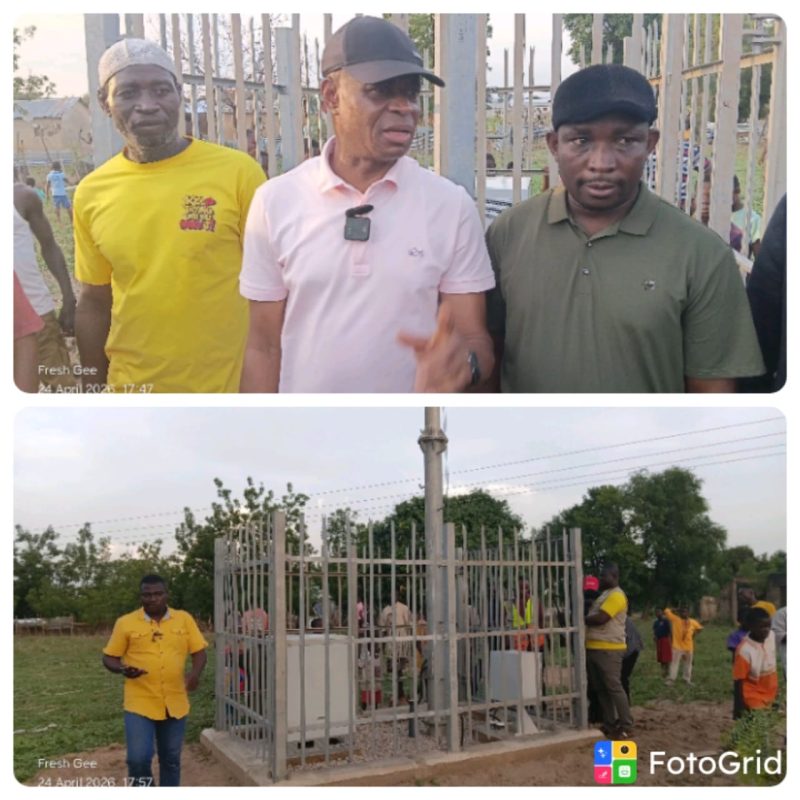
The facilities formed part of the Ghana Rural Telephony and Digital Inclusion Project of the Ghana Investment Fund for Electronic Communications (GIFEC), which seeks to connect deprived communities to telecommunication services.
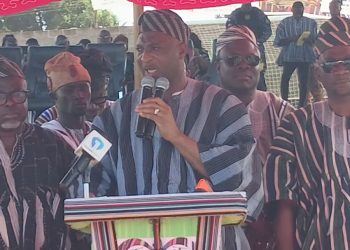
Speaking at the ceremony the Bole-Bamboi MP said he commissioned the networks in Gbenfu, Bale, Kilampobile, Sonyo, and Kabilma on behalf of President John Dramani Mahama and the minister for Communications and Digitalisation.
“It has always been my dream to see all communities in my beloved constituency enjoy telecommunication services no matter their locations or population density,” Hon. Sulemana stated.
He described the event as a “significant milestone” that brought him “so much joy and fulfilment” toward realising his vision for the people of Bole-Bamboi.
The Deputy Minister of Lands and Natural Resources thanked President Mahama, whom he called “my mentor and brother”; Communications Minister Sam George, “my good friend”; and Savannah Regional GIFEC boss Mr Wahab for their roles in achieving the project.
The commissioning marks part of ongoing efforts to bridge the digital divide in rural parts of the Savannah Region.
Speaking at the commissioning, Mr. Prince Onumah Danquah of Remi Ghana Limited, working in collaboration with GIFEC Ghana, stated that the newly installed network sites have been successfully commissioned and are fully operational.
Mr. Prince Danquah assured residents that the infrastructure would deliver stable and reliable connectivity for long-term use and he is pleased to announce that the sites in Gbenfu, Kilampobile, Kibilma, and Bale are now fully on service.
The Gbenfuwura in his remarks appealed for additional development support, including potable water systems, improved road networks, and empowerment initiatives for women engaged in small-scale enterprises.
He noted that while the network expansion is significant, broader infrastructure gaps still require urgent attention.
Source:Diwura Abdul Fataw