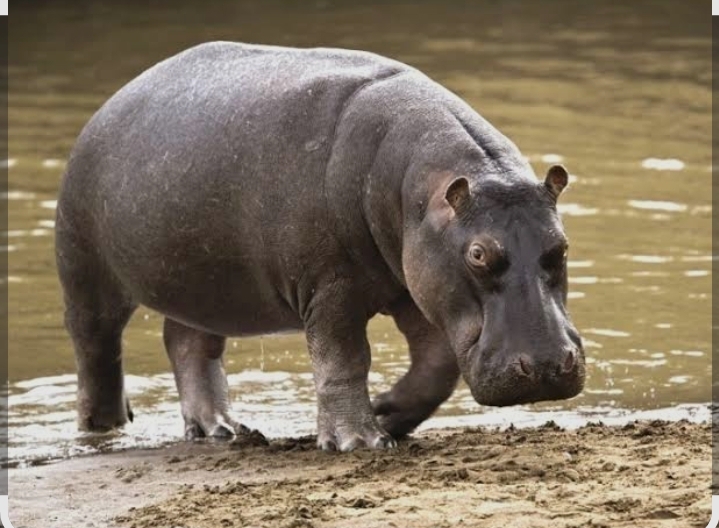
Illegal mining activities are posing a serious threat to aquatic ecosystems and wildlife in parts of the Savannah Region, particularly along Bole District and Wa West District at the Ghana–Côte d’Ivoire border.
This area, which lies along the Black Volta River, is home to rare wildlife species such as hippopotamuses and rhinos, making it an important tourism and research site that attracts visitors from across the world.
Over the years, the presence of these animals has contributed significantly to tourism, education, excursions, and scientific research in northern Ghana.
Along the Black Volta, two major habitats are known for hosting hippopotamuses and rhinos: one around the wa West area in the Upper West Region, and another stretching between the Ntereso-Malu and Bui Dam.
Observations indicate that the population in Wa West is comparatively smaller than those found in the other zones.
Despite the ecological and tourism value of these sites, recent activities by illegal miners (popularly known as galamsey operators) are endangering the survival of these animals and degrading the aquatic environment.
Ironically, many of these areas fall under protected zones supervised by the Forestry Commission, where fishing, hunting, and any form of gaming are strictly prohibited.
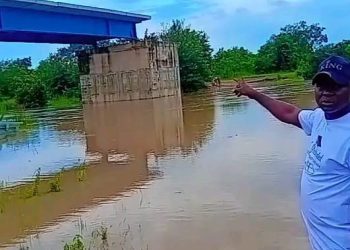
Concerned residents and environmental observers have raised alarm over the unchecked operations of illegal miners, especially their use of dredging machines and other heavy equipment directly on the water surface.
Experts in aquatic ecology have noted that hippopotamuses and rhinos are highly sensitive to noise and human disturbance, and the constant noise and pollution from mining activities are driving them away from their natural habitats and threatening their survival.
Research into Ghana’s soil and land characteristics indicates that the Black Volta basin is dominated by sandy soil, with relatively low clay content compared to southern Ghana.
This makes mining activities on the river difficult to detect, as dredging does not significantly discolor the water. Instead, harmful chemicals are released silently into the river, leaving little visible evidence while causing severe ecological damage.
Citizens in the affected communities are therefore calling on the Wildlife Division, the Forestry Commission, traditional authorities, chiefs, and tourism authorities to urgently intervene.
They stress that these animals cannot protect themselves and rely entirely on human responsibility for their survival.
Protecting these hippopotamuses and rhinos is not only about conserving wildlife but also about safeguarding livelihoods, tourism potential, and environmental sustainability for future generations.
Failure to act could result in the irreversible destruction of one of Ghana’s most valuable natural and tourism.
Source: Yagbonradioonline