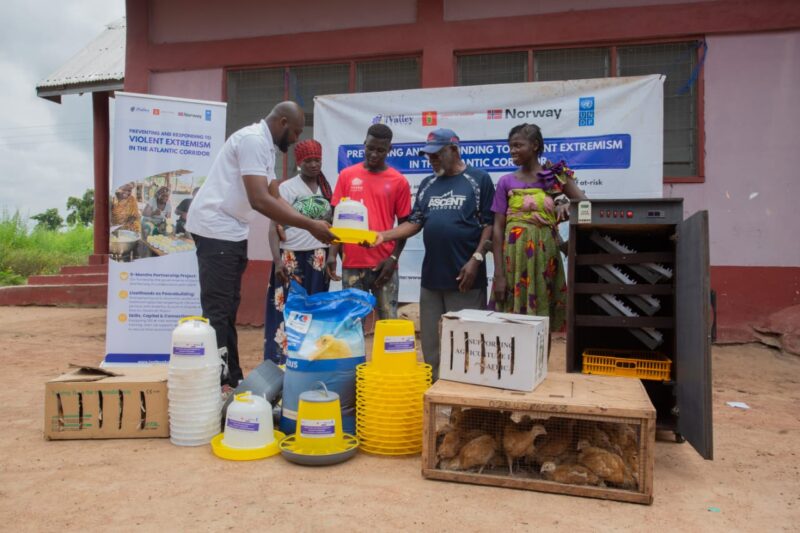
iValley Ghana, an entrepreneurship and livelihood support organisation, has provided skills training and start-up support to women, youth and persons with disabilities (PWDs) in Chache, a border community in the Bole District of the Savannah Region, as part of efforts to strengthen livelihoods, improve economic opportunities and promote community resilience.
The initiative, implemented under the Preventing and Responding to Violent Extremism in the Atlantic Corridor project, has provided productive assets to over 100 at-risk women, youth and persons with disabilities, equipping them with practical livelihood opportunities to improve their economic independence and strengthen their resilience to the risks associated with violent extremism.
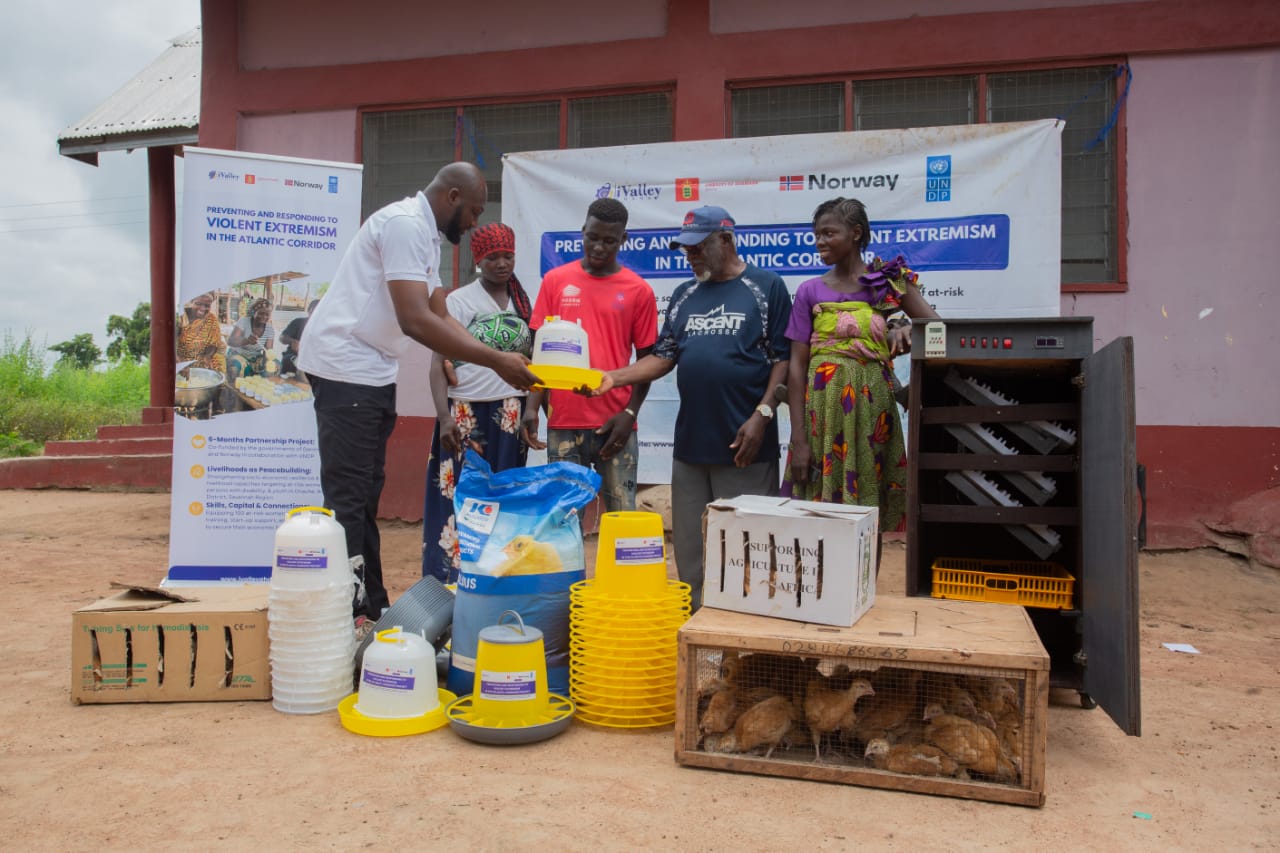
The six-month intervention is being implemented by iValley Ghana in partnership with the United Nations Development Programme (UNDP), with funding support from the Embassies of Denmark and Norway.
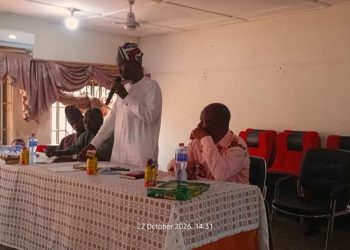
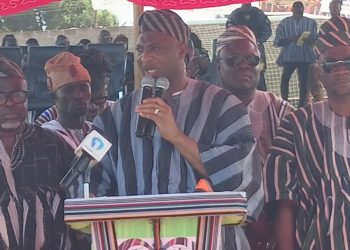
Speaking at a ceremony to hand over start-up support to beneficiaries in Chache, the Executive Director of iValley Ghana, Prince Nabil Mahama, emphasised the importance of economic empowerment in strengthening peace and security in vulnerable border communities.
“Women and youth in border communities often face economic vulnerabilities. When we equip them with practical skills and the resources to earn a living, we help reduce poverty, expand economic opportunities and strengthen the foundations for lasting peace,” he said.
The intervention combines technical and entrepreneurship training with productive assets to help beneficiaries establish or expand income-generating activities. It also promotes financial literacy and Village Savings and Loans Associations (VSLAs) to encourage savings, responsible financial management and the long-term sustainability of their livelihoods.
As part of the support package, beneficiaries received productive assets and start-up materials across seven livelihood pathways: shea value addition through soap-making, piggery, goat rearing, sheep rearing, poultry production, cassava processing and tailoring. The support packages include livestock, poultry inputs, soap-making materials and cassava-processing equipment, alongside other resources tailored to the beneficiaries’ selected livelihood activities.
Some beneficiaries who spoke to Yagbon News expressed appreciation to iValley Ghana and its partners, describing the intervention as an opportunity to improve their livelihoods and support their families.
A mother of four from Jankpulakoraa said the soap-making training had given her a practical skill she could use to generate income and contribute to her children’s education.
“Before, I had no work. Now I can make soap and sell it to support my children and pay their school fees,” she said.
A youth beneficiary also expressed optimism that the training and start-up support would create opportunities to earn an income through livestock rearing. The beneficiary noted that access to sustainable livelihood opportunities could encourage young people to remain economically active in their communities.
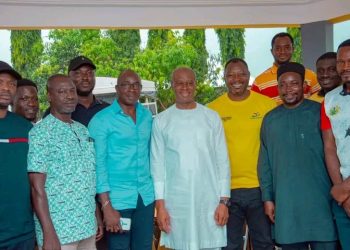
Dr Edward Ampratwum, Cluster Lead for Transformative Governance at UNDP, urged beneficiaries to use the start-up support responsibly and effectively to ensure that the intervention delivers lasting benefits. He also emphasised the importance of effective monitoring and follow-up to track progress, address challenges and ensure that the project achieves its intended objectives.
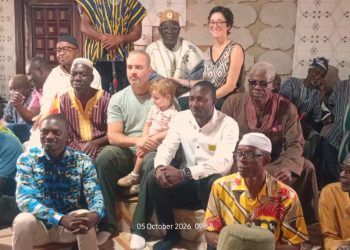
The Chief of Chache, Chachewura Iddisa Amankwa, commended iValley Ghana, UNDP and the Governments of Denmark and Norway for extending their support to the community. He called on other development partners and government institutions to increase their support for border communities, which often face limited economic opportunities and security challenges.
The intervention forms part of broader efforts under the Atlantic Corridor initiative to strengthen community resilience and address vulnerabilities that can contribute to violent extremism through inclusive development, livelihood opportunities and community-level engagement.